Carbon Electrode Paste
Home » Carbon Products » Carbon Electrode Paste
Product Name: Carbon Electrode Paste / Soderberg Electrode Paste / Self-baking Electrode Paste / Electrode Carbon Paste
Types: Standard Electrode Paste, Closed Paste, Non-standard Electrode Paste
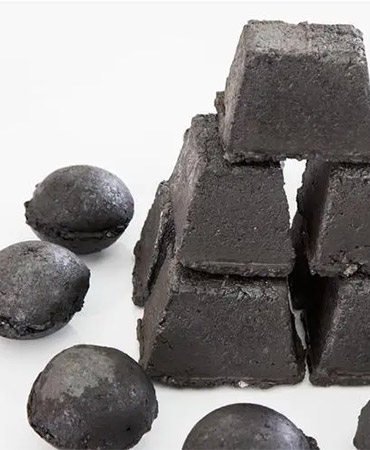
Shapes: Trapezoidal, Disc-shaped, Cylindrical
Resistivity: 70 μΩm max
Fixed Carbon: >85%
Carbon electrode paste, or Soderberg electrode paste, is a conductive material used for electric furnace equipment such as ferroalloy furnaces and carbide furnaces. As a type of carbon material, its production process is similar to other carbon materials and mainly involves the following steps: raw material calcining, crushing, screening, grinding, mixing, and molding. Carbon electrode paste is the raw material for self-baking electrodes, and its roasting phase is conducted during the operation of the electric arc furnace. Therefore, its production process does not include the roasting and subsequent graphitization processes.
As a leading graphite electrode supplier, AGRM has nearly 20 years of experience customizing graphite and carbon products, ensuring product dimensions within drawing tolerances. If you have any requirements, please contact our engineers for more personalized solutions.
- Unmatched Product Quality
- Electrode Paste Formulas Suitable for Various Applications
- Worry-free After-sales Service with a Professional Technical Team
Classification of Carbon Electrode Paste
1. Standard Electrode Paste
Used for small electric arc furnaces. These furnaces generally do not have a furnace cover, and the electrode diameter is smaller, hence this paste is also known as open paste. Standard electrode paste is mainly used for open ferroalloy furnaces and small to medium-sized carbide furnaces, utilizing medium-temperature pitch as a binder.
2. Closed Paste
Used for high-power electric arc furnaces, which generally have a furnace cover, commonly known as closed furnaces, and have larger electrode diameters. The electrode paste used in these furnaces is frequently referred to as closed paste. This type of electrode paste is suitable for closed ferroalloy furnaces, carbide furnaces, and other metallurgical furnaces. Closed paste uses calcined coal as the main raw material. To improve the sintering performance of the electrode paste, a small amount of graphite powder and petroleum coke are added, and a binder with a low softening point is used.
3. Non-standard Electrode Paste
Used for a type of electric arc furnace that is between closed and open types, commonly known as semi-open furnaces. Non-standard electrode paste has the same dry material particle composition as standard electrode paste, but a small amount of tar is added to the binder to lower the softening point of the binder, which helps to appropriately increase the sintering speed of the electrode paste.
AGRM produces carbon electrode paste in various shapes and sizes, including trapezoidal paste, disc-shaped paste, and cylindrical paste.
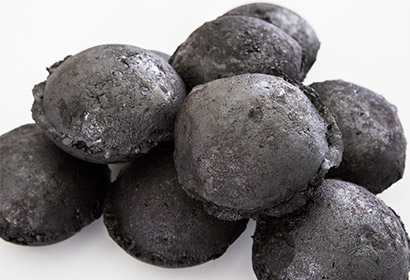
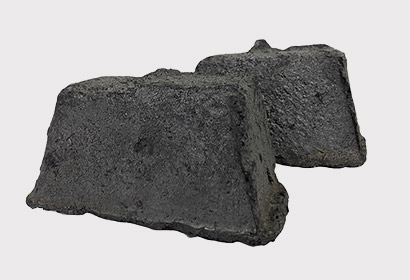

Carbon/Soderberg Electrode Paste Specifications
| Specifications | 1#(TypeⅠ) | 2#(TypeⅡ) | 3#(TypeⅢ) |
| Ash | 3%max | 4%max | 5%max |
| Volatile matter | 11~15% | 11~15% | 11~15% |
| Specific resistivity | 60μΩM max | 65μΩM max | 70μΩM max |
| Compress strength | 18Mpa | 19Mpa | 20Mpa |
| Bulk density | 1.38g/cm3 | 1.38g/cm3 | 1.38g/cm3 |
| Size | Briquette Shape: 60*80*100mm | ||
| Egg Shape: 50*100mm | |||
| Cylinder Shape: (1) 500mm*1000mm (2) 600mm*1000mm | |||
Characteristics of AGRM Carbon Electrode Paste
- Conductivity
The high carbon content in the paste, derived from calcined petroleum coke, ensures excellent conductivity. This characteristic guarantees the effective transmission of electrical energy during electrolysis.
- Mechanical Strength
The coal tar pitch binder provides sufficient mechanical strength to withstand the manufacturing process and operational conditions in the electrolysis cell.
- Thermal Resistance
The paste has high thermal resistance, enabling it to endure the high temperatures experienced during electrolysis.
- Good Thermal Conductivity
The thermal conductivity of the egg-shaped electrode paste allows efficient heat transfer within the furnace, aiding the melting and refining processes.
- Low Volatile Matter
The paste has a low content of volatile substances, reducing harmful emissions during furnace operation and contributing to a cleaner, more environmentally friendly production process.
- Chemical Stability
Trapezoidal electrode paste exhibits good chemical stability, resisting degradation under harsh conditions encountered in electrolytes, active substances, and electrochemical systems. This feature ensures the long-term stability and durability of the electrodes.
How to Choose Carbon Electrode Paste?
With the development of electric arc furnace technology, furnaces have gradually evolved towards larger and closed designs, leading to a decrease in the use of standard paste for small furnaces. In China, most furnaces are large, and the electrode paste used is predominantly closed paste.
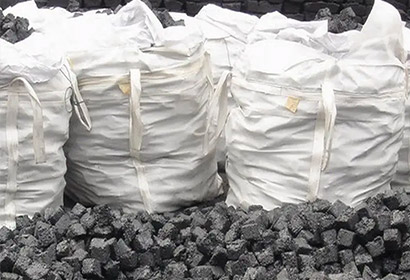
In actual production, some customers need trapezoidal electrode paste, some require egg-shaped electrode paste, and others need cylindrical electrode paste. Although the shapes differ, the formulas are the same. The differences in shape arise because different electric arc furnace structures require different electrode paste shapes. More specifically, the shape of the electrode paste depends on the reinforcing ribs within the furnace. The reinforcing ribs significantly affect the falling speed of the electrode paste, and precisely, the sintering speed of the electrode. Different rib structures dictate the shape of the electrode paste. Egg-shaped electrode paste is the most commonly shipped product due to its smaller volume and denser, smaller gaps in the sintered electrodes.
Applications of Carbon Electrode Paste
Carbon electrode paste is widely used in ferroalloy and carbide furnaces due to its simple process and low cost. When the electrodes are well-roasted, the performance of self-baking electrode paste is comparable to that of carbon electrodes, but its manufacturing cost is only one-eighth that of graphite electrodes.
Carbon electrode paste is suitable for producing ferroalloys with very low carbon content and pure metals. It is widely used in ferroalloy smelting, including the production of ferrosilicon, silicon-chrome alloy, manganese-silicon alloy, high-carbon ferromanganese, high-carbon ferrochrome, medium and low-carbon ferromanganese, medium and low-carbon ferrochrome, silicon-calcium alloy, and ferro-tungsten.
Upstream Raw Materials
Anthracite coal, graphite powder, petroleum coke, pitch coke, etc.
Midstream Products
Electrode paste (standard paste, closed paste, non-standard paste).
Downstream Applications
Carbide, ferroalloys, etc.
Working Principle of Carbon Electrode Paste
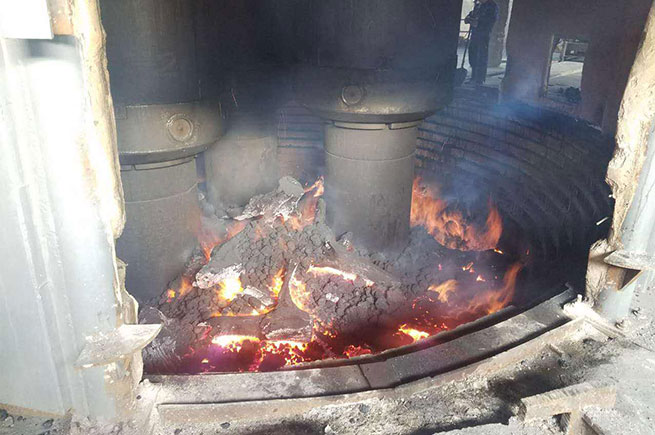
Carbon electrode paste relies on the heat within the electric arc furnace for roasting. The paste is placed into the electrode shells installed in the furnace, where it is sintered and carbonized through the Joule heat generated by current and conductive heat within the furnace. This type of electrode can be continuously used, being extended and sintered into shape during use, and can be roasted into large-diameter electrodes.
The roasting process of carbon electrode paste can be broken down into a few simple steps:
- First, raise the temperature from room temperature to 200°C. At this point, the electrode paste will gradually melt from a solid to a liquid. Below 100°C, the paste is solid. Between 100°C and 200°C, the paste starts to soften and become plastic. During this stage, moisture and some low-boiling components in the paste begin to evaporate. This temperature can be regulated with a fan on the electrode device. In cold seasons, heated air can be supplied to the electrode to ensure the normal sintering process.
- As the temperature increases from 200°C to 600°C, the binder in the electrode paste decomposes and vaporizes, releasing volatile substances. Particularly around 400°C, the reaction is most vigorous, with the paste transitioning from a liquid to a solid state. Some hydrocarbons become pyrolytic carbon under pressure. If the electrode is lowered too slowly or if the furnace is overloaded for an extended period, the electrode may overburn, leading to excessively high sintering belts, deformation of the electrode shell, an increase in electrode diameter, and even rendering it unusable.
- As the temperature rises from 600°C to 800°C, a small amount of residual volatile substances continues to be expelled. After 4 to 8 hours, when the electrode is removed from the copper mold, the sintering process is nearly complete. The temperature below the copper mold to the working end of the electrode will continue to rise, potentially causing the electrode shell to melt or oxidize and detach. The internal temperature of the electrode can exceed 2000°C. The working end of the electrode is the highest temperature and most chemically reactive area in the furnace, where the majority of the electrode consumption occurs. To ensure the length of the working end, the roasting speed needs to match the electrode consumption rate.
Why AGRM?
- Stable Performance
- Durable and Effective
- Easy Installation
- Smooth Operation
- Wide Application
- Fast Delivery