Graphite Carbon Electrodes
Home » Carbon Products » Graphite Carbon Electrode

Types: Carbon-Based Electrode, Graphite Electrode, and Carbon Electrode Paste.
Dimensions: Diameter and length can be customized; impregnation, surface polishing, and other treatments can be done according to customer requirements.
One of the largest applications of graphite carbon electrodes is as conductive electrodes for electric furnaces. The quality parameters of the electrodes vary due to the different design parameters of the submerged arc furnace. Generally, graphite electrodes are used in steelmaking electric arc furnaces, Carbon-Based Electrodes are often used in the smelting of high-purity silicon, and Self-Baking Electrodes are commonly used in carbide and ferroalloy submerged arc furnaces. Self-baking electrodes are made from electrode paste and are produced through roasting during the submerged arc furnace production process.
AGRM is a professional graphite electrode supplier from China with years of export experience. We are committed to providing high-quality carbon products to meet the high standards of different industries.
AGRM Carbon Electrodes for Sale
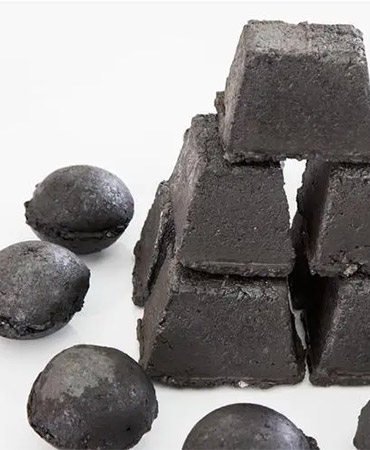
Carbon-Based Electrode
The Carbon-Based Electrode is a carbon-conductive material made from raw materials such as electric furnace anthracite, petroleum coke, graphite, and coal tar pitch. It is produced through batching, forming, roasting, and mechanical processing. It is a new energy-saving and environmentally friendly material gradually promoted in the 21st century. As a mineral conductive electrode, it is widely used in the industrial silicon metal smelting process.
In submerged arc furnaces of the same capacity, the diameter of the Carbon-Based Electrode can be larger compared to graphite electrodes, which widens the furnace arc, stabilizes the arc, ensures thermal melting efficiency, increases product yield, and reduces product energy consumption.
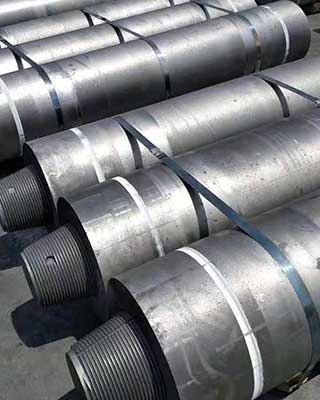
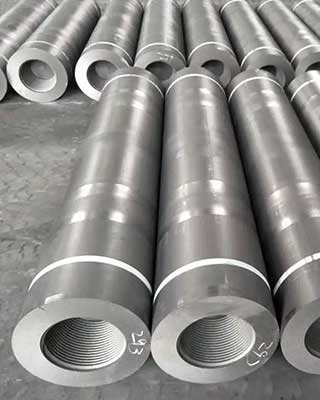
Graphite Electrode
Graphite electrodes are made from petroleum coke and pitch coke as raw materials. They are subjected to a crucial step in the graphite electrode manufacturing process—graphitization—in a graphite furnace at temperatures between 2273 and 2773 K. Graphite electrodes can be classified as follows:
- Regular Power Graphite Electrode
Allows for current densities below 17 A/cm² and is mainly used in conventional power electric furnaces for steelmaking, silicon, and phosphorus production.
- High Power Graphite Electrode
Allows for current densities between 18 and 25 A/cm² and is mainly used in high-power electric arc furnaces for steelmaking.
- Ultra-High Power Graphite Electrode
Allows for current densities greater than 25 A/cm² and is mainly used in ultra-high power electric arc furnaces for steelmaking.
- Anti-Oxidation Coated Graphite Electrode
Features a protective layer on the surface that conducts electricity and resists high-temperature oxidation (graphite electrode anti-oxidant). This coating reduces electrode consumption during steelmaking (19%-50%), extends the electrode’s service life (22%-60%), and lowers the electrode’s energy consumption.
Carbon Electrode Paste
Carbon Electrode Paste uses anthracite, coke, pitch, and tar as raw materials. They are made into electrode paste at a certain temperature, then the paste is loaded into the electrode shell mounted on the furnace. During the production process, the electrode paste is self-baked and carbonized using Joule heat generated by electric current and conductive heat within the stove. The roasting phase occurs during the operation of the electric arc furnace, so the production process does not include a separate roasting and subsequent graphitization step.
- The process is relatively simple, with a short production cycle but requires high precision in raw materials, batching formulas, and technical controls.
- It can be continuously used, extended, and baked into large diameters up to 2000 mm. This significantly widens the arc belt, stabilizes the arc line, ensures thermal melting efficiency, expands the molten pool volume, and increases product yield.
- Self-baking electrodes have extensive applications in the production of carbide, ferroalloy, phosphorus, and other various submerged arc furnaces.
Characteristics of Graphite Carbon Electrodes
- High Electrical Conductivity
Capable of withstanding the high current densities required in metallurgical processes.
- Good Mechanical Strength
Able to endure operational pressure.
- High Thermal Conductivity
UMinimizes temperature differences within the electrode during use, thus reducing internal stress.
- High Chemical Purity
Prevents contamination of the final product.
- Reliable Connection
Ensures continuity of current flow within the electrode column.
- Easy Installation
Facilitates and speeds up electrode column extension operations.
- Precise Joint Surface Processing
Prevents issues when joints pass through fixed clamps and contact shoes, and promotes current flow from one electrode to the next.
Cost of Graphite Carbon Electrodes
Carbon-based electrodes offer significant comparative advantages in reducing costs, saving energy, lowering emissions, and enhancing smelting efficiency and safety. They also fully meet the production requirements of downstream industries, thus holding substantial potential to replace graphite electrodes and electrode paste.
Compared to Carbon-Based Electrodes, electrode paste is cheaper but has notable environmental impacts. Due to environmental considerations, electrode paste is gradually being phased out. While graphite electrodes are safer, their high cost and difficulty in producing large diameters make Carbon-Based Electrodes more prevalent in large submerged arc furnaces.
Advantages of Carbon-Based Electrodes in Production Applications:
- Lower Production Costs: Carbon-based electrodes do not require graphitization, resulting in lower costs compared to graphite electrodes. Graphitization involves high construction costs, additional costs for capacity expansion, and high electricity consumption, adding 2700 RMB per ton of product. Carbon-based electrodes avoid these costs, making them more affordable.
- Larger Diameter Options: In submerged arc furnaces of the same capacity, Carbon-Based Electrodes can be produced in larger diameters (currently Φ780-Φ1400 mm in China, compared to Φ700 mm for graphite electrodes). This widens the arc belt, stabilizes the arc line, ensures thermal melting efficiency, increases product yield, and reduces energy consumption.
- Lower Resistivity and Better Performance: Carbon-based electrodes have lower resistivity, smaller self-consumption, higher bulk density, lower ash content, and better anti-oxidation performance. They improve furnace thermal efficiency, shorten smelting time, and increase yield. Additionally, they can be produced as hollow carbon electrodes, facilitating the addition of various raw materials for ferroalloy enterprises.
- Environmental and Health Benefits: Electrode paste, when used, releases a large amount of pitch fumes, causing severe environmental pollution and health risks. With the trend towards energy saving and emission reduction, the transition from high-energy-consuming electrode paste to Carbon-Based Electrodes is essential.
- Durability: Carbon-based electrodes are less likely to suffer from hard or soft breaks and have less natural wear and tear.
Customization Capability of AGRM
Most graphite products can be customized according to customer needs. AGRM provides professional carbon electrode application solutions.
Carbon Electrode Size Range: Our carbon electrodes can have a maximum diameter of 1400 mm and a maximum length of 3050 mm, accommodating various application needs.
Customization Services: We offer additional services such as impregnation or anti-oxidation treatment as per customer requirements. We provide professional consulting services and tailored solutions for our clients.
Production Cycle and Technical Support: We commit to accurate production cycles and delivery times once customer needs are confirmed. Our production line ensures high efficiency and strict quality control, meeting the highest standards and timely delivery. With CNC processing, our products have stable quality and high precision. Our professional team is always available to provide technical support to address any issues during the customization process, ensuring that your needs are fully met.
Customization Process
1. Equirement Communication
Engage with our sales representatives or technical consultants to discuss and define customization requirements.
2. Design Proposal
We provide preliminary design proposals and technical suggestions based on your requirements.
3. Confirmation and Production
Once the design is confirmed, we begin the production process, maintaining communication with you to ensure progress aligns with expectations.
4. Quality Inspection and Delivery
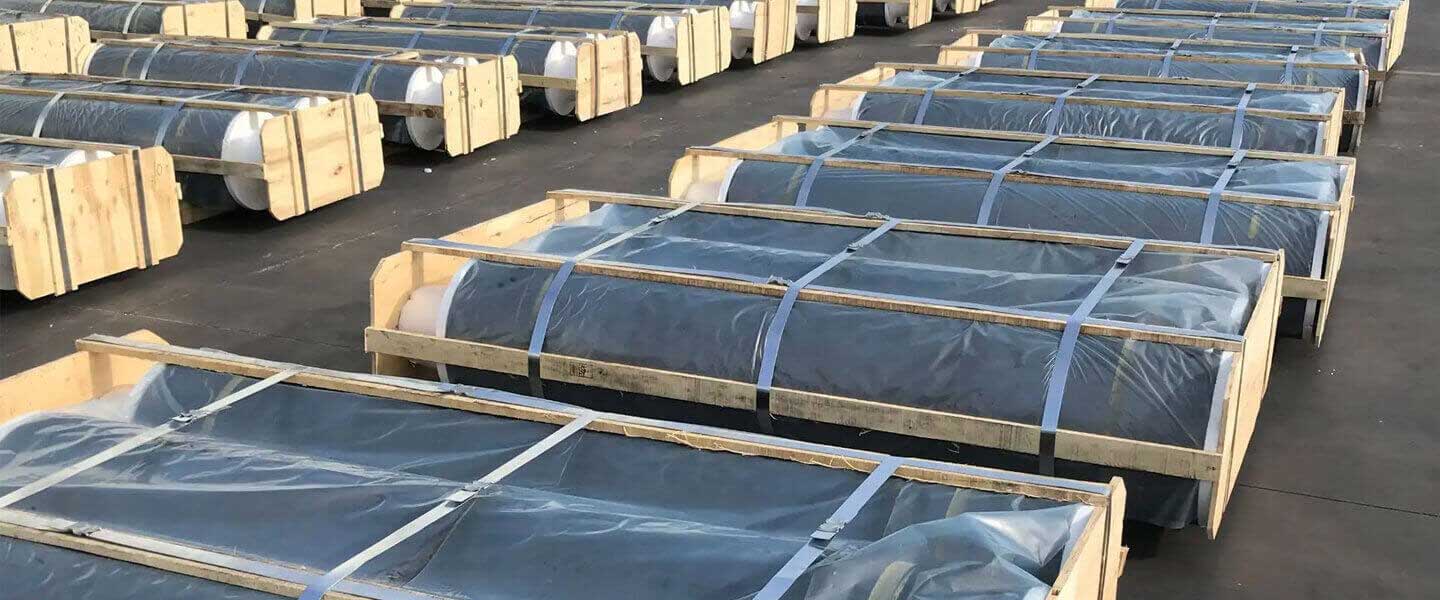
After production, we conduct strict quality inspections to ensure each graphite tube meets standards, followed by timely delivery to your specified location.