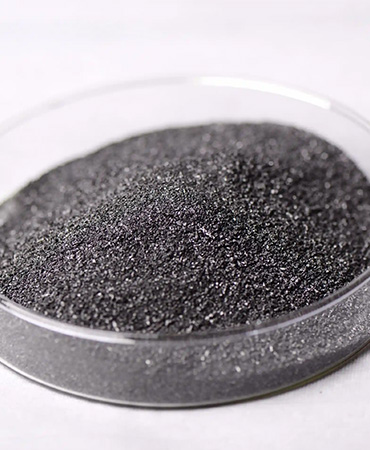
Graphite Bipolar Plate
Home » Graphite Products » Graphite Bipolar Plate

Specifications: Customizable as needed
Processing Type: Molding, machining, etc.
Resistivity: <12 μΩm
Compressive Strength: >100 MPa
Hardness: Shore 60 SSH
Leakage Rate: Minimum thickness 0.3 mm, 1 kg negative pressure, no leakage.
The graphite bipolar plate is an electrochemical application device made from graphite material, characterized by high conductivity, excellent corrosion resistance, and high mechanical strength. It effectively transmits current during electrochemical reactions, promoting the process, and is widely used in the electrochemical, power, and metallurgical industries.
AGRM Graphite Bipolar Plate Features
AGRM produces various types of graphite bipolar plates. We have a top-notch production line for graphite products, capable of manufacturing graphite blocks, graphite electrodes, and heat exchangers.
Our high-graphite-content bipolar plates are specifically developed for redox flow batteries, featuring exceptional corrosion resistance for high long-term stability in fuel cells. High conductivity, excellent mechanical strength, and design flexibility are additional advantages. We also offer ultra-thin graphite bipolar plates, greatly reducing the size and weight of fuel cell stacks. Our materials are selected specifically for fuel cells to achieve exceptional performance at a highly competitive cost.
We look forward to building a good business relationship with you and offering the best quality, lead times, and solutions.

- Technologically advanced
- High chemical stability
- Strong corrosion resistance
- Low contact resistance
- High through-plane conductivity
- Thin and lightweight
- High mechanical strength with some flexibility
Specifications
| Item | Unit | Technical Value |
| Bulk Density | g∕cm³ | 1.9 |
| Maximum Granularity | mm | 0.5 (single) / 0.8 (double) |
| Resistance Value | μΩm | ≤12 |
| Flexural Strength | Mpa | ≥65 |
| Compressive Strength | Mpa | ≥130 |
| Shore Hardness | HSD | <75 |
| Contact resistance | mΩ·cm2 | ≤5 |
Why AGRM?
- Stable Performance
- Durable and Effective
- Easy Installation
- Smooth Operation
- Wide Application
- Fast Delivery
As a leading graphite electrode supplier, AGRM has nearly 20 years of experience in customizing graphite products, ensuring product dimensions within drawing tolerances. Please contact our engineers for more personalized solutions if you have any requirements.
Application of Graphite Bipolar Plates in Fuel Cells
Bipolar plates, also known as collector plates, are essential components in fuel cells, offering the following functions and properties:
They separate fuel and oxidants, prevent gas leakage, collect and conduct current with high conductivity, and, through engineered flow channels, uniformly distribute gases to the reaction layer on the electrodes. They also dissipate heat to maintain a consistent temperature across the cell, are corrosion-resistant, impact- and vibration-resistant, thin, lightweight, and cost-effective, making them easy to machine and suitable for mass production.
The graphite bipolar plate, made from graphite and various additives, serves as a high-performance, multi-purpose product used in electrochemical cells as electrode material. Its main function is to provide a reactive surface for the cell, with good conductivity, stability, and corrosion resistance. Made from graphite material, it possesses bipolarity, allowing it to act as an electrode in electrochemical reactions.
Fuel Cell Manufacturing

Graphite bipolar plates are crucial in fuel cell production, serving as both anode and cathode components. They play an essential role in charge storage and facilitating electron transfer within the cell. As pathways for electron transfer, these plates enable the electrochemical reactions necessary for power generation. Their high conductivity and corrosion resistance make them particularly well-suited for use in fuel cells, especially in proton exchange membrane fuel cells (PEMFCs) and solid oxide fuel cells (SOFCs).
Water Electrolysis for Hydrogen Production
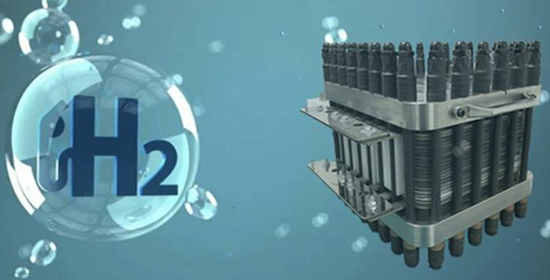
Water electrolysis is a process that splits water into hydrogen and oxygen using electrical energy. In this process, graphite bipolar plates act as electrodes to facilitate the electrolysis reaction, producing hydrogen. This method is used to create hydrogen fuel and is a sustainable, eco-friendly way to generate energy.
Electrochemical Sensors
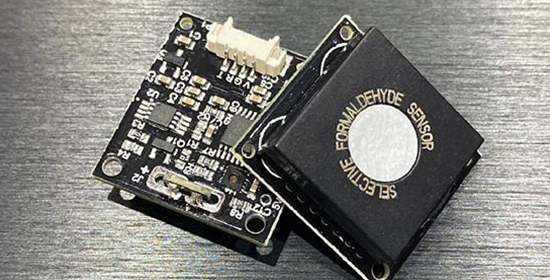
Electrochemical sensors detect chemicals using electrochemical reactions. Graphite bipolar plates serve as electrodes, detecting chemical concentrations by measuring changes in electrode potential. This method is used in environmental monitoring, medical diagnostics, and other fields.
Electrochemical Machining

Electrochemical machining uses electrochemical reactions to process materials. Graphite bipolar plates act as electrodes, controlling the machining process by adjusting electrode potential. This method is applied to produce microdevices, nanomaterials, and more.
Should Fuel Cells Use Metal or Graphite Bipolar Plates?
Bipolar plates fall into two categories: metal plates and graphite plates. The choice between graphite and metal bipolar plates depends on the specific requirements of the fuel cell application. If corrosion resistance and durability are primary considerations, graphite bipolar plates are preferable.
Metal bipolar plates have the advantages of high mechanical strength, and good gas-tightness, and can be made thin, but their lower corrosion resistance can limit lifespan. Graphite bipolar plates, on the other hand, excel in conductivity, thermal conductivity, and corrosion resistance, making them the preferred choice for high-performance fuel cells where longevity and corrosion resistance are critical.
Our products are offered at factory prices. If you have any requirements, please contact us as soon as possible!
Manufacturing Processes for Graphite Bipolar Plates
Machined Graphite Bipolar Plates
- Raw Material Preparation: Coke and pitch are mixed at high temperatures (1,000-1,300°C) to form carbon. The carbonized material is then impregnated with pitch and baked. The carbonized material is heated in an electric furnace at 2,500-3,000°C to produce graphite.
- Slicing: Roughly slice the large graphite blocks into thin sheets suitable for bipolar plate dimensions.
- Impregnation: The graphite sheets are impregnated with resin to fill internal pores and improve surface quality. This process typically requires 24 hours, followed by heat treatment to cure the resin. Depending on the type used, graphite plates can be impregnated with phenolic or furan resin.
- Grinding: Impregnated sheets are rough, so they undergo rough, medium, and fine grinding to achieve the required smoothness.
- Engraving and Machining: This step is critical for achieving precise flow fields and dimensions. Due to the brittleness of graphite, this process requires high precision to ensure quality and structural integrity.
Molded Graphite Plates
- Material Preparation: Mix graphite powder with resin and pre-process the mixture.
- Molding: Place the mixture into molds, applying pressure and heat to allow the material to flow and fill the cavity. For thermoset binders, curing and demolding take a few minutes; for thermoplastic binders, the mold must cool below the melting point before demolding.
Compared to other methods, molded graphite plates are ideal for mass production, offering a cost-effective and scalable solution. AGRM carefully controls the production process to ensure uniformity and quality while maintaining strict thickness tolerances.
How Do Graphite Bipolar Plates Work in Hydrogen Fuel Cells?
Hydrogen fuel cells generate electricity by reacting hydrogen and oxygen, with the bipolar plate as a key structural component separating individual cells. The bipolar plate is a flat component with precise channels. In modern fuel cell stacks, bipolar plates consist of two interconnected plates (anode and cathode). Hydrogen flows along the anode, while oxygen and water are distributed on the cathode. A cooling medium flows between the connected plates to regulate each cell’s temperature.
The bipolar plate delivers hydrogen and oxygen to the reaction zones on the anode and cathode, isolating reaction gases within each chamber. At the reaction zone, hydrogen at the anode splits into protons (positively charged hydrogen ions) and electrons (negatively charged). Protons travel through the polymer electrolyte membrane (PEM) to the cathode, while electrons flow through an external circuit to the cathode. At the cathode, oxygen reacts with protons and electrons to form water, releasing energy in the process.