Graphite Bearing
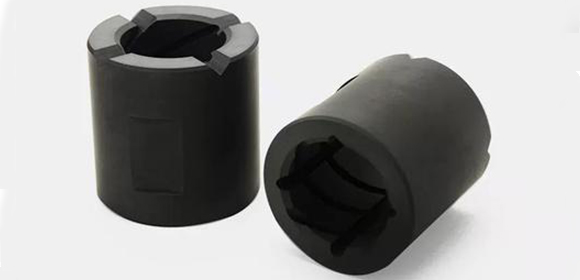
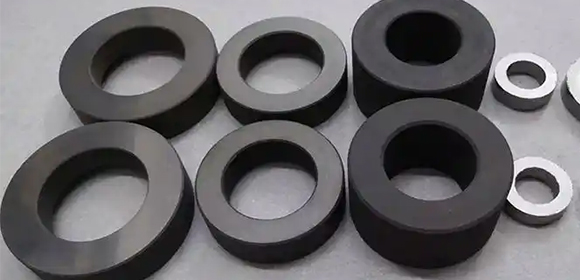
Product Name: graphite bearings, carbon graphite bearings.
Types: solid graphite bearings, impregnated graphite bearings, composite graphite bearings, bushings, etc.
Specifications: customized production according to customer dimensions and environmental requirements.
Applications: widely used in industries such as food, beverages, textiles, dyeing, and chemicals.
- Ensure bearings perform as expected, even under extreme temperatures.
- Limit environmental impact by reducing the grease that needs to be managed.
What are Graphite Bearings? Graphite bearings, or carbon graphite bearings, are sliding bearings made of carbon graphite materials. Sliding bearings are divided into radial bearings and thrust bearings. Bearing materials include metal, non-metal, and composite materials. Graphite bearings have evolved from metal bearings to meet the performance demands of machinery, featuring unique properties such as self-lubrication, high-temperature resistance, corrosion resistance, and lightweight design. Graphite bearings are common lubrication components in industrial machinery, designed for operation under extreme temperatures (high and low), high-speed and low-speed sliding conditions, and in the presence of highly corrosive gases and liquid media.
AGRM has specialized in producing graphite products for many years, delivering high-quality graphite bearings to customers. We provide tailored recommendations for specific applications and offer a range of surface treatments to meet unique requirements. Share your exact needs with our team, and we will deliver the most suitable solution.
Types of Graphite Bearings
Solid Graphite Bearings
Made entirely of graphite material, these bearings effectively leverage its exceptional natural lubricating properties. Renowned for excellent self-lubrication, they are ideal for demanding applications requiring minimal friction and low maintenance.
Impregnated Graphite Bearings
Impregnating graphite into a base material (typically metal) enhances self-lubrication, making the resulting material well-suited for applications requiring both lubrication and load-bearing capabilities.
Composite Graphite Bearings
Combining graphite with other materials like resin or fibers, these bearings form a hybrid material with increased mechanical strength and wear resistance. They are designed to endure harsh conditions while still utilizing the lubricating properties of graphite.
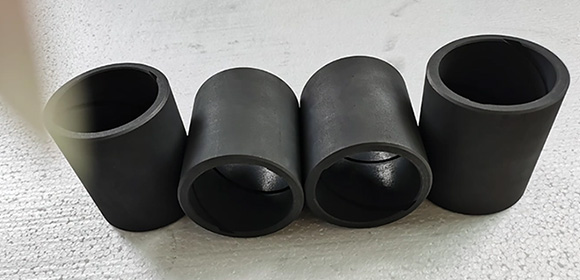
Graphite Bushings
Graphite bushings are cylindrical bearings designed to reduce friction and wear in rotating machinery. They combine self-lubrication and durability, making them essential for efficient and reliable operation in demanding applications.
Characteristics of Graphite Bearings
AGRM custom-produces carbon graphite bearings in various sizes, shapes, and quantities, including radial bearings, thrust bearings, and sleeve bearings. We stock products of various grades and sizes and can quickly manufacture custom graphite parts.
Self-Lubrication: Eliminates the need for separate lubricants, making them ideal for dry-running or hygienic environments.
Low Friction: Reduces wear during operation, and minimizes maintenance time, replacement needs, and equipment damage.
High Thermal Conductivity: Bearings made of materials like carbon graphite improve heat exchange and minimize damage from overheating.
High-Temperature Stability: Suitable for extreme environments, some carbon graphite bearings can withstand severe conditions without performance degradation. Look for features like anti-welding or anti-melting to prevent the bearings from fusing with equipment during operation.
Oxidation Resistance: Certain carbon graphite-based bearings resist chemical degradation caused by exposure to oxidizing agents, preventing damage from oxidation.
Versatile Design: Available in various forms, such as solid graphite, impregnated graphite, and composite materials. This versatility allows customization to meet specific application requirements, allowing engineers to choose the most suitable type for their needs.
Specifications
| Grade | Density (g/cc) | Porosity | Shore Hardness | Compressive Strength (Mpa) | Flexural Strength (Mpa) | CTE (×10-6°C-1) | Max Working Temperature | Application |
| M105K(Resin Impregnation Vanes) | 1.8 | 2% | 60 | 110 | 65 | – | 200 °C | Carbon vanes |
| M106K(Resin Impregnation) | 1.8 | 2% | 65 | 180 | 60 | 4 | 200 °C | Seal rings, bush |
| M106D(Antimony Impregnation) | 2.3 | 3% | 80 | 230 | 80 | 4 | 550 °C | Seal rings, bush |
| M254A(Copper Impregnation) | 2.4 | 2.50% | 70 | 170 | 65 | – | 500 °C | Seal rings, bush |
Why AGRM?
- Stable Performance
- Durable and Effective
- Easy Installation
- Smooth Operation
- Wide Application
- Fast Delivery
As a leading graphite electrode supplier, AGRM has nearly 20 years of experience customizing graphite products. Our products are offered at factory prices. If you have any requirements, please contact us as soon as possible!
Applications
Applications Where Grease Lubrication Is Prohibited
Graphite bearings are widely used in industries such as food, beverages, textiles, and chemicals, where grease lubrication is strictly forbidden. Examples include bearings in conveyors, drying machines in the paper industry, fabric drying machines in the textile industry, artificial fiber looms, cigarette manufacturing equipment, and submersible pumps. These environments require self-lubricating bearings like carbon graphite bearings, which can operate without additional lubricants, making them ideal for such applications.
Applications Where High Temperatures Prevent the Use of Ordinary Bearings
Carbon graphite bearings are suitable for use in environments with high temperatures, such as billet conveyors, boiler preheaters, flame tube ventilation doors and blowers in boiler rooms, high-temperature furnace feeders, feeders in the steel industry, and flue valve regulators, ensuring proper operation under these extreme conditions.
Applications in the Chemical and Textile Industries
Certain bearings are designed to operate in corrosive gases or liquids, where grease-based lubricants are prohibited, and metal bearings corrode rapidly. Examples include impeller bearings in centrifugal pumps submerged in various liquids and bearings in fuel metering pumps operating in gasoline, paraffin, kerosene, and similar media. Modern technologies increasingly demand carbon graphite bearings capable of operating safely in complex and challenging environments, including those involving radioactive media.
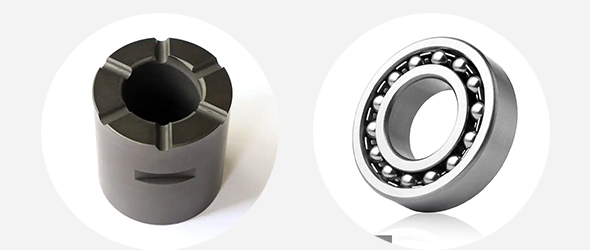
Graphite Bearings vs. Metal Bearings
Unlike metal bearings, graphite bearings boast superior properties, including self-lubrication, lightweight design, high-temperature resistance, and corrosion resistance. They can operate under extreme conditions, such as high temperatures, low temperatures, high temperatures, and low-speed sliding, as well as in the presence of highly corrosive gaseous or liquid media. They are widely used in mechanical equipment like centrifugal pumps, submersible pumps, and vertical pumps.
Graphite bearings are a powerful alternative to traditional metal bearings, offering distinct advantages. Unlike metal bearings that typically require external lubrication, graphite bearings inherently possess self-lubricating properties. This reduces maintenance needs and minimizes friction, enhancing operational efficiency and extending bearing life. Furthermore, the high-temperature resistance of graphite surpasses that of many traditional metals, making it suitable for high-temperature applications. While metal bearings may corrode easily, graphite’s chemical resistance provides added durability in corrosive environments. Choosing between graphite and traditional metal bearings depends on specific performance requirements, environmental conditions, and maintenance preferences.
Causes of Bearing Failure
All bearings have a predetermined service life. Some require replacement due to normal wear or flaking, while others fail prematurely and need replacement. Unexpected failures can lead to equipment damage, downtime, costly replacements, and even injuries. Additionally, premature wear can negatively impact performance and efficiency even before failure occurs.
- Lubrication Issues
Lubrication problems are a major cause of premature bearing wear and failure. Issues include under-lubrication, over-lubrication, incorrect or incompatible lubricants, and improper mixing of products. The lubrication process and timing can also be critical factors. Preventing lubricant contamination is essential to reducing potential issues. Self-lubricating carbon graphite bearings can significantly reduce or even eliminate many common lubrication problems.
- Contamination
Oil films on bearings are susceptible to contamination, which can damage surfaces. Dust, dirt, debris, or water can cause significant harm. Even 1% water contamination in grease or oil can dramatically shorten bearing life. When corrosion prevents the use of other materials, carbon graphite is an excellent alternative. For example, adding 10% ethanol to gasoline can cause premature failure of fuel pump bearings, an issue that carbon graphite bearings can quickly resolve.
- Selection, Handling, and Installation
Correct selection and installation can prevent 1/6 of bearing failures. When choosing the most suitable bearing, consider factors such as load, speed, environment, and expected lifespan. Bearings are made from various materials, including carbon graphite, chromium, stainless steel, and ceramics, with some materials being better suited for specific applications.
Other considerations include internal clearance, sealing requirements, and the quality of the brand being considered. AGRM is committed to treating every customer with integrity, providing products at reasonable prices and with excellent service. By closely collaborating with customers to understand their needs, AGRM aims to deliver value-added services through quality products, production, and support.
Maintenance Methods for Graphite Bearings
- Regular Inspections
Perform routine visual inspections to detect signs of wear, damage, or contamination. Check for abnormalities on the bearing surface and address any issues promptly.
- Temperature Monitoring
Monitor temperature changes during operation. A sudden or abnormal increase in temperature may indicate potential problems, and addressing these issues promptly can prevent excessive wear.
- Lubrication Management
While graphite bearings are self-lubricating, some applications may require additional lubrication. Ensure the bearings receive the proper amount to maintain efficiency and reduce friction.
- Sealing Mechanisms
Implement effective sealing mechanisms to prevent contaminants from entering. Proper sealing minimizes the risk of damage from foreign materials, extending the lifespan of graphite bearings.
- Cleaning Procedures
Regularly clean bearings to remove debris, dust, or other contaminants. Maintaining clean surfaces ensures smoother operation and reduces the risk of premature wear.