Graphite Rotor
Operating Temperature: 650–830°c.
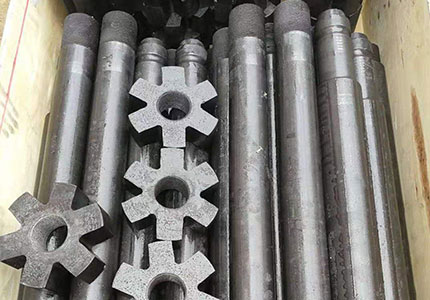
Dimensions: rod with a diameter of 50–150 mm and a length of 500–1200 mm, head with a 100–300 mm diameter.
Applications: gasifiers in industries such as aluminum, zinc, oil well pump components, aluminum plants, and barrel manufacturing plants.
- Low impeller resistance, with a maximum rotational speed of 700r/min and a degassing rate of over 50%.
- Cost reduction, lower inert gas consumption, reduced aluminum content in furnace slag, and extended replacement intervals.
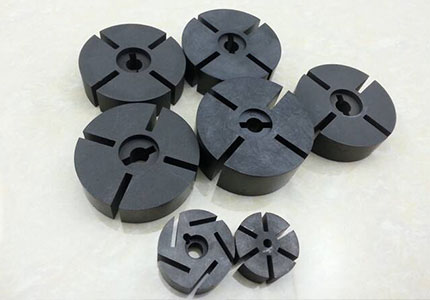
What are Graphite Rotors? The graphite rotor is made from high-purity, high-density graphite and is widely used in the aluminum alloy casting industry. It consists of a rotor rod and nozzle, offering high strength, high-temperature resistance, and resistance to aluminum flow corrosion. Its surface can undergo special anti-oxidation treatment to extend its service life.
AGRM Graphite Rotor Highlights
AGRM is a professional supplier of high-quality graphite products, offering competitive prices and customized solutions to meet specific requirements. We provide high-precision, competitively priced custom graphite parts based on detailed drawings, with strict tolerances. A variety of specifications are available.
The typical service life of a graphite rotor is over one month. Our graphite rotors are primarily made from high-purity graphite based on customer-provided drawings. They are coated with an anti-oxidation protective layer to extend their service life to 50–60 days.
- High mechanical strength, low coefficient of thermal expansion, and good thermal shock resistance.
- Good chemical stability, and excellent resistance to acids, alkalis, and organic solvents.
- Non-wettability to molten aluminum, with no chemical reaction with aluminum.
- Special graphite is characterized by high strength, hardness, good heat resistance, low porosity, wear resistance, and anti-scouring properties.
- Precision machining, with the process strictly following customer drawings. After processing, the parts fit perfectly and have high concentricity, preventing mechanical stress from damaging the graphite rotor and shaft.
- Why Choose Graphite Material?
Graphite has an extremely high melting point, beginning to soften and melt around 3000°C in a vacuum, and starts evaporating and sublimating at about 3600°C. The mechanical strength of graphite increases with temperature, with the strength at 2500°C being nearly twice that at room temperature. Therefore, it is an excellent material for aluminum melt purification rotors.
Surface Treatment of Graphite Rotors

Impregnation Anti-oxidation Treatment: To extend the service life of the graphite rotor and shaft, AGRM’s proprietary technology fills the graphite material’s pores with nano anti-oxidants and coats the surface of the rotor and shaft, improving heat resistance, anti-oxidation, and anti-scouring properties.
Coating Anti-oxidation Treatment: After impregnation, the graphite rotor and shaft (excluding the threaded parts) are coated with AGRM’s proprietary coating material. The coating does not allow aluminum to penetrate but bonds well with the graphite material. This treatment improves the rotor and shaft’s heat, oxidation, corrosion, and scouring resistance, significantly extending their service life.
Localized Reinforcement: We can reinforce the most easily consumed components based on the final user’s application, achieving the longest service life for the graphite rotor and shaft at the lowest cost.
Specifications
| Items | Unit | Value | |
| Grain Size | mm | 0.045-4 | |
| Bulk Density | g/cm3 | 1.65-1.95 | |
| Resistivity | μΩ•m | 8.0-11.0 | |
| Bending Strength | Mpa | 18-55 | |
| Compressive Strength | Mpa | 36-100 | |
| The Coefficient of Thermal Expansion (C.T.E) | ×10^-6/ ℃ | 2.9-3.0 | |
| Ash | % | 0.1-0.3 | |
| Specifications | Graphite rotor | mm | Φ70-250 |
| Impeller | mm | Φ85-350 | |
Why AGRM?
- Stable Performance
- Durable and Effective
- Easy Installation
- Smooth Operation
- Wide Application
- Fast Delivery
As a leading graphite electrode supplier, AGRM has nearly 20 years of experience customizing graphite products. Our products are offered at factory prices. If you have any requirements, please contact us as soon as possible!
Applications
Graphite rotors are widely used in aluminum processing. When casting aluminum alloys, gas flushing significantly improves the quality of the castings. Gas injection pipes, gas distribution systems, and degassing pipes made of graphite are ideal for this purpose, as graphite is proven to resist the flushing gases used, especially chlorine, nitrogen, and argon, along with their mixtures and other aggregates.
- Aluminum Alloy Smelting
- Compressors and Motors
- Environmental and Energy Fields
Operating Principle of Graphite Rotors
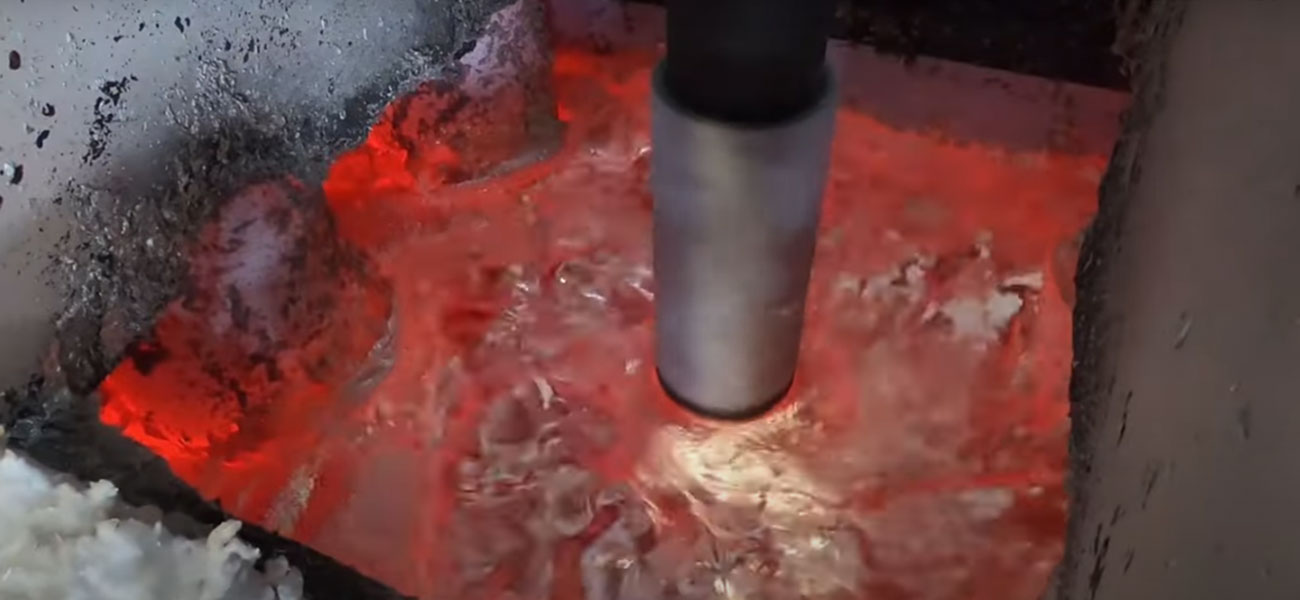
Graphite rotors are mainly used for purifying aluminum melts. The purification process for aluminum alloys improves the overall performance of the alloy. During purification, the purification gas is mixed with the solvent, and the graphite rotor rotates to blow the gas into the aluminum melt. This method is one of the most advanced techniques globally.
The graphite rotor consists of two parts: the rotor rod and nozzle. The drive system rotates the graphite rotor, and the rotor rod and nozzle blow argon or nitrogen gas into the aluminum melt. The high-speed rotation of the graphite rotor disperses the argon or nitrogen gas into many tiny bubbles that are evenly distributed in the metal melt. Meanwhile, the rotating rotor promotes the diffusion of hydrogen and inclusions in the aluminum melt, causing them to interact with the melt. Bubbles absorb hydrogen and adsorb and oxidize inclusions through gas partial pressure differences and surface adsorption. The bubbles rise and carry these impurities to the melt surface, thereby purifying the melt.

Operating Tips for Graphite Rotors
- Preheating Before Use
Before the graphite rotor is immersed in the aluminum melt, it should be preheated to about 100mm above the liquid level for 5 to 10 minutes to avoid thermal shock. The rotor must be filled with gas before immersion; the gas supply can be stopped after the rotor reaches the liquid surface to prevent nozzle holes from clogging.
- Isolation of Air
Nitrogen or argon should be injected into the purification chamber to maintain positive pressure, isolate external air, and prevent oxidation of the graphite rotor.
- Rotor Immersion Depth
The graphite rotor should be immersed at an optimal depth, with the reinforced sleeve exposed about 80mm above the aluminum liquid level and the rotor submerged 60mm below the surface. This helps increase the time the rotor resists oxidation loss and scouring wear.
- Stable Drive System
The graphite rotor and drive system are connected by rods (or pipes). If the rods deform due to prolonged high-temperature exposure, or if parts of the drive system become loose, the rotor’s alignment and operation will be affected, leading to instability and potential damage due to collisions.
- Pure Argon or Nitrogen
If there is leakage in the pipes or joints, causing the argon or nitrogen supplied to the aluminum melt to be impure, the upper part of the rotor will oxidize severely, and even the lower spray holes will be oxidized, significantly reducing the rotor’s service life.
What Causes Damage to Graphite Rotors?
- High-temperature Oxidation
Graphite, primarily composed of carbon, can be oxidized at temperatures above 600°C in air, producing CO and CO2 gases that do not protect the rotor. As the degassing chamber is unlikely to be completely sealed and the majority of the chamber is not filled with protective gas, oxidation of the graphite rotor is inevitable. This leads to the gradual reduction of the rotor shaft’s diameter, eventually causing it to break and be discarded.
- Aluminum Melt Scouring
The graphite rotor, rotating at speeds between 200r/min and 400r/min, stirs the aluminum melt, generating strong scouring and friction. Over time, the contact area between the liquid surface and the rotor rod becomes thinner, eventually causing the rotor to break.
- Impact of the Drive System
If the degassing system’s drive system is unstable, particularly if the rotor’s connection is misaligned, the rotor may wobble during operation. This causes friction between the rotor and the seal plug, damaging it. Additionally, this misalignment exacerbates surface agitation, leading to accelerated oxidation and scouring of the rotor.