
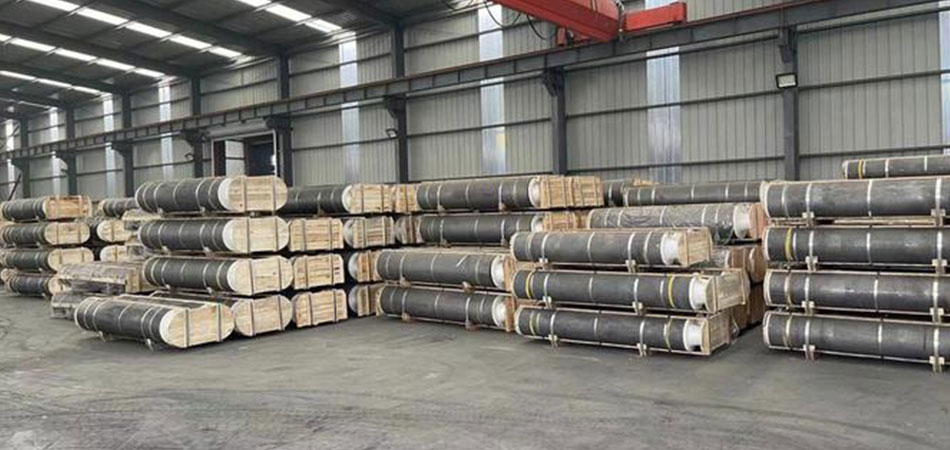
Electric arc furnaces (EAFs) are the core technology of modern low-carbon steelmaking. Instead of reducing iron ore in a blast furnace, EAFs melt scrap steel using electricity. The component that makes this process possible is the graphite electrode—a high-purity, high-density engineered carbon column that carries enormous electrical current into the furnace, withstands extreme thermal shock, and provides stable consumption throughout steel heating, refining, and casting. Beyond EAF steelmaking, electrodes are also used in ladle furnaces for secondary metallurgy and in certain non-ferrous melting processes.
From a buyer’s perspective, selecting the right manufacturer involves more than reviewing a data sheet, overall reliability matters. The following is a list of ten notable graphite electrode producers worldwide, along with the characteristics that distinguish them.
1) Fangda Carbon New Material (China)
Fangda Carbon is recognized as one of the largest and most comprehensive carbon product manufacturers in China, offering a wide product portfolio covering RP/HP/UHP electrodes and related carbon products. The company emphasizes vertically integrated raw material capability and substantial installed capacity, supporting large orders and a wide diameter range for both EAF and LF operations. For buyers seeking scale and reliable UHP availability within China, Fangda is often on the shortlist.
2) GrafTech International (USA)
GrafTech is a major Western producer known for the vertical integration of its Seadrift facility, which manufactures petroleum needle coke—an essential raw material for UHP electrodes. This integration translates into better control over quality, cost, and availability, especially in tight markets. GrafTech focuses strongly on UHP products, offering multiple production sites and comprehensive application support. For mills that prioritize supply assurance and predictable performance, this level of integration is a meaningful advantage.
3) Graphite India Limited (India)
Graphite India (GIL) is the largest electrode producer in India and one of the significant global players. With about 98,000 tpa of capacity across plants in India and Europe, the company produces RP/HP/UHP grades using fully modernized lines (mixing, forming, baking, graphitization, CNC machining). For EAF operators in South Asia, the Middle East, and Europe, GIL provides a balanced combination of scale, product range, and geographic coverage.
4) HEG Limited (India)
HEG is another major Indian producer, operating an integrated flagship plant in Mandideep. The company emphasizes its UHP manufacturing capability and runs a 100,000 tpa electrode facility, including robust nipple production. HEG’s performance in large-diameter UHP products makes it a familiar choice for both mini-mills and integrated steelmakers seeking higher power input and improved productivity.
5) Nantong Yangzi Carbon (China)
Nantong Yangzi Carbon is a long-established Chinese producer specializing in ultra-high-power electrodes. It offers a wide diameter range (typically φ350–φ750 mm) and supplies both domestic mills and overseas buyers. The company’s scale and expertise in UHP products align well with global trends toward larger EAFs and higher current densities.
6) Nippon Carbon (Japan)
Nippon Carbon manufactures synthetic graphite electrodes and emphasizes mechanical strength and thermal-shock resistance, which are essential for rapid power-on operations and demanding tap-to-tap schedules. Its electrode products benefit from the company’s broader portfolio of advanced carbon materials (fibers, battery anodes) and from Japan’s precision-manufacturing culture. For mills that value Japanese quality standards and strict dimensional tolerances, Nippon Carbon is a strong contender.
7) Resonac Graphite (Japan, formerly Showa Denko graphite division)
Resonac—formed from the merger of Showa Denko and Showa Denko Materials—operates a global graphite business and positions itself as a leading worldwide producer. The company maintains multiple manufacturing sites across regions, enabling shorter lead times and a resilient supply chain. Resonac aligns its mission with steel industry decarbonization through EAF adoption, which is relevant for buyers concerned with Scope 3 emissions. The brand is known for UHP quality, service, and technical support.
8) SEC Carbon (Japan)
SEC Carbon has a long history in large-diameter graphite electrodes and supplies EAF customers globally. Its specialization fits well with the industry’s trend toward larger furnaces, and the company is also active in Japan’s industrial policy discussions on fair trade in electrode imports—an indication of both capability and market presence. For buyers prioritizing large formats and high-power stability, SEC Carbon is a targeted choice.
9) Tokai Carbon (Japan)
Tokai Carbon produces graphite electrodes along with fine carbon products, refractories, and industrial furnaces. Its diversified portfolio and global footprint make it an attractive one-stop partner for steel groups that need more than electrodes—such as furnace components, linings, and integrated technical support. The company’s century-long heritage in carbon materials supports its modern electrode program.
10) AGRM (China)
AGRM International Engineering Co., Ltd. specializes in supplying engineering, materials, and equipment for high-temperature industries. With more than 20 years of export experience in graphite electrodes and a strong capability in graphite-related R&D and manufacturing, AGRM provides high-quality graphite electrodes and turnkey carbon-product solutions for various applications and customer requirements. AGRM’s products are exported to Southeast Asia, Australia, Europe, and other regions, receiving positive feedback from both domestic and international clients.
Comparison of Key Factors for Graphite Electrode Manufacturers
| Factors | AGRM (China) | Typical Major Global Manufacturers |
| Application Fit & Integrated Solutions | Provides turnkey solutions for high-temperature industries, covering engineering design, material selection, and equipment integration. Able to tailor electrode specifications to furnace parameters and operating conditions. | Primarily focused on supplying standard RP/HP/UHP electrodes. Engineering or system-level integration is limited and often requires customers to coordinate multiple suppliers. |
| Product Range & Flexibility | Offers graphite electrodes and a wide portfolio of carbon products. Broad size coverage with the ability to develop non-standard items for special furnace conditions. Flexible with order mix, packaging, and shipment scheduling. | Product lines are mature but highly standardized. Large producers operate on fixed specifications and may be less responsive to small or highly customized orders. |
| Export Experience & Global Coverage | More than 20 years of export experience, familiar with logistics, documentation, and compliance for Southeast Asia, Australia, Europe, and other regions. Long-term international users report consistent results. | Global footprint varies by company, with strong focus on major domestic or regional markets. Localized support in emerging regions may be limited. |
| R&D and Technical Adaptability | Maintains strong R&D capabilities in graphite and carbon materials. Able to adjust density, flexural strength, CTE, resistivity, and oxidation performance based on the customer’s furnace type and power profile. | Larger companies invest heavily in R&D but follow longer development cycles and product standardization. Custom adjustments for smaller buyers are uncommon. |
| Lead Time & Production Scheduling | Centralized production and machining allow for flexible scheduling. Can coordinate staged deliveries to match project timelines. | Lead times are set by global production planning. Adjustments are restricted during peak demand or when trade policies affect supply. |
| Cost–Value Balance | Competitive pricing supported by optimized supply chains and efficient production. Adds value through engineering integration and delivery flexibility. | Pricing is generally stable but higher for some Western brands; service levels vary and customization typically raises cost. |
| Quality Verification & Market Feedback | Products used long-term in Southeast Asia, Australia, and Europe with positive feedback on consumption rate, breakage control, and joint performance. | Well-established quality systems, although performance can vary among production sites and logistics routes. |
| After-Sales & Technical Support | Provides application guidance, breakage analysis, joint-torque recommendations, and handling/operation training to support performance optimization. | Technical support is available but usually standardized; depth of on-site assistance varies by region and customer scale. |