
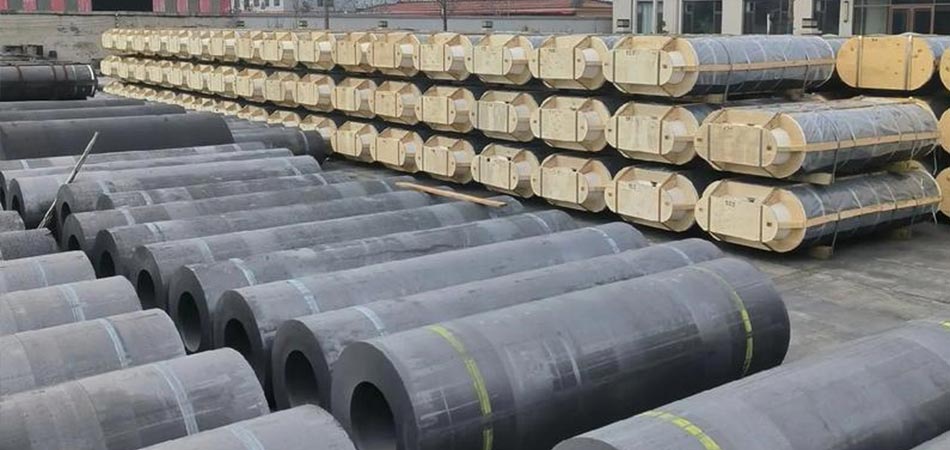
What is a Graphite Electrode? A graphite electrode is a high-purity carbon material primarily made from petroleum coke and pitch coke as raw materials, with coal tar pitch as a binder. It is manufactured through multiple processes, including calcination, batching, forming, baking, impregnation, graphitization, and machining, resulting in excellent electrical conductivity, thermal conductivity, high-temperature resistance, and corrosion resistance.
Graphite electrodes are typically cylindrical, with lengths ranging from 1 to 2 meters. They are key conductors in electric arc furnaces (EAF) for steelmaking, transmitting electric current and generating high-temperature arcs to melt scrap steel and other raw materials.
Besides steelmaking, graphite electrodes are also widely used in the production of yellow phosphorus, industrial silicon, abrasives, and non-ferrous metals. With the increasing adoption of electric arc furnace steelmaking, the demand for graphite electrodes continues to grow.
Types of Graphite Electrodes
According to power rating and usage requirements, AGRM graphite electrodes are typically classified into four categories: Regular Power (RP), High Power (HP), Ultra High Power (UHP), Semi-Ultra High Power (SHP). Different grades of electrodes are suitable for different types of electric arc furnaces and smelting processes. Choosing the appropriate type helps reduce melting costs and improve production efficiency.
| Item | Regular Power Graphite Electrode (RP) | High Power Graphite Electrode (HP) | Ultra High Power Graphite Electrode (UHP) | Super High Power Graphite Electrode (SHP) |
| Diameter Range | 150–700 mm | 200–700 mm | 300–700 mm | 300–600 mm |
| Permissible Current Load | 3–42 kA | 5.5–72 kA | 15–120 kA | 18–70 kA |
| Current Density | ≤17 A/cm² | 18–25 A/cm² | >25 A/cm² | Approx. 20–27 A/cm² |
| Raw Materials | Petroleum coke, coal tar pitch | Petroleum coke, coal tar pitch, needle coke | High-ratio needle coke, petroleum coke, coal tar pitch | Petroleum coke and coal tar pitch with reduced needle coke content |
| Production Cycle | About 45 days | About 60 days | ≥65 days | — |
| Applications | Used in electric arc furnaces, ferroalloy furnaces, and submerged arc furnaces for smelting carbon steel, silicon, and yellow phosphorus | Used in high-power electric arc furnaces and ladle furnaces for producing stainless steel, corundum, and similar materials | Used in ultra-high-power electric arc furnaces and ladle furnaces for smelting high-quality and special steels | Used in ultra-high-power electric arc furnaces and refining furnaces; provides a balance between performance and cost |
| Features | Lower cost; suitable for general smelting operations with lower current requirements | Better conductivity; withstands higher current and temperature | Excellent electrical conductivity, heat resistance, and mechanical strength; ideal for high-end smelting | Positioned between HP and UHP types; lower needle coke ratio reduces cost while maintaining good performance |
Graphite Electrode Prices

The cost of graphite electrodes varies significantly, primarily depending on raw material prices, dimensions, grade, and market supply and demand. Generally, the price of graphite electrodes ranges from $2,900 to over $8,000 per ton. In recent years, factors such as the growing demand for electric vehicle batteries and geopolitical developments have increasingly influenced graphite electrode prices.
Latest Graphite Electrode Prices:
| Electrode Type | Price (USD/ton) |
| UHP (Ultra High Power) | $5,800 – $7,100 |
| HP (High Power) | $3,600 – $4,600 |
| RP (Regular Power) | $2,400 – $3,700 |
Note: Prices are for reference only. For an accurate quotation, please provide us with detailed specifications and requirements.
Why is Graphite Used for Electrodes?
1. Stability in High-Temperature Environments
Graphite electrodes excel under extreme conditions. They have outstanding electrical and thermal conductivity, efficiently transferring energy with minimal power loss. Unlike metals, graphite can withstand temperatures up to 3,600°C without melting or deforming. Its high mechanical strength and low thermal expansion make it resistant to cracking even under rapid temperature changes. Additionally, graphite is chemically inert and corrosion-resistant, ensuring product purity and extending equipment life. Its low density, ease of machining, and moderate cost make it suitable for manufacturing electrodes of various sizes while keeping operational costs manageable.
2. More Efficient and Environmentally Friendly Smelting
Electric arc furnaces (EAFs) using graphite electrodes allow precise control of temperature and energy distribution, achieving higher energy efficiency than traditional fuel-based heating methods. This reduces electricity consumption and minimizes heat waste. Since EAFs rely on electricity rather than fossil fuels, they significantly lower greenhouse gas emissions like CO₂, improving air quality and reducing industry carbon footprints. Moreover, the process efficiently recycles scrap steel and metal waste, reducing raw material usage and supporting sustainable production.
3. Continuously Optimized Key Material
Graphite electrodes themselves are constantly improving. Advances in materials technology have enhanced their electrical efficiency, durability, and thermal shock resistance, resulting in longer service life and lower energy consumption. Looking forward, with the growth of green metallurgy and smart manufacturing, graphite electrodes will play an increasingly critical role in high-temperature, high-efficiency industrial applications.
Graphite Electrodes Uses
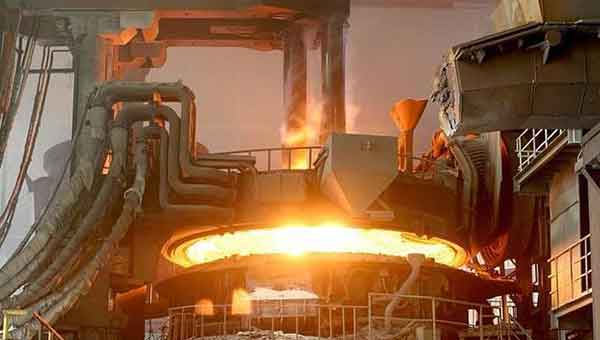
Graphite electrodes are essential materials in modern high-temperature industries, widely used in metallurgy, chemical production, power generation, and various types of electric furnaces and high-temperature equipment.
1. Electric Arc Furnace (EAF) Steelmaking
In EAF steelmaking, electric current passes through graphite electrodes into the furnace. The arc discharge generates high-temperature heat to melt metal. Different electrode diameters and power grades are selected according to furnace capacity. In ladle refining (LF) furnaces, graphite electrodes can also perform secondary refining under high temperature and pressure, improving steel purity and quality.
2. Submerged Arc Furnace (SAF)
Submerged arc furnaces are primarily used for producing ferroalloys, industrial silicon, yellow phosphorus, and calcium carbide. The electrodes’ lower ends are embedded in the raw material, and current passing through the material’s resistance generates heat. Graphite electrodes serve both as conductors and heating elements in this process.
3. Resistance Furnace
Resistance furnaces include graphite furnaces for producing graphite products, glass melting furnaces, and silicon carbide furnaces. In these furnaces, the material inside acts both as the heating resistor and the object to be heated. Graphite electrodes are often embedded in the furnace bed or walls to conduct electricity and evenly distribute heat.
Where to Find Reliable Graphite Electrode Manufacturers?
At AGRM, we prioritize customer experience and are committed to providing high-quality, reliable graphite electrodes along with comprehensive support. Choosing AGRM means you will benefit from:
1. Strict Quality Control
Every stage, from raw material procurement to finished products, is rigorously monitored. Any product that fails to meet standards is immediately eliminated, ensuring worry-free use and stable production.
2. Premium Raw Materials
We never compromise quality for cost. With over 20 years of industry experience and a broad supply network, every electrode is made from high-quality raw materials while keeping costs reasonable.
3. Professional Sales Solutions
Our customer consultants offer free expert advice and recommend the most suitable graphite electrode solutions tailored to your needs, making procurement more efficient and stress-free.
4. Comprehensive After-Sales Support
First-time users can enjoy free commissioning services. During use, any issues are resolved within 48 hours. For urgent situations, we provide rapid response and necessary assistance to ensure your production runs safely.
5. Efficient and Green Production
AGRM is committed to environmentally friendly, energy-saving processes that reduce emissions and waste. We continuously optimize production capacity to improve supply efficiency, making your procurement more reliable.
6. Stable Market Reputation
Through long-term cooperation with numerous clients, AGRM has earned a solid reputation. Choosing AGRM means partnering with a trusted provider that consistently delivers high-quality products and professional services.